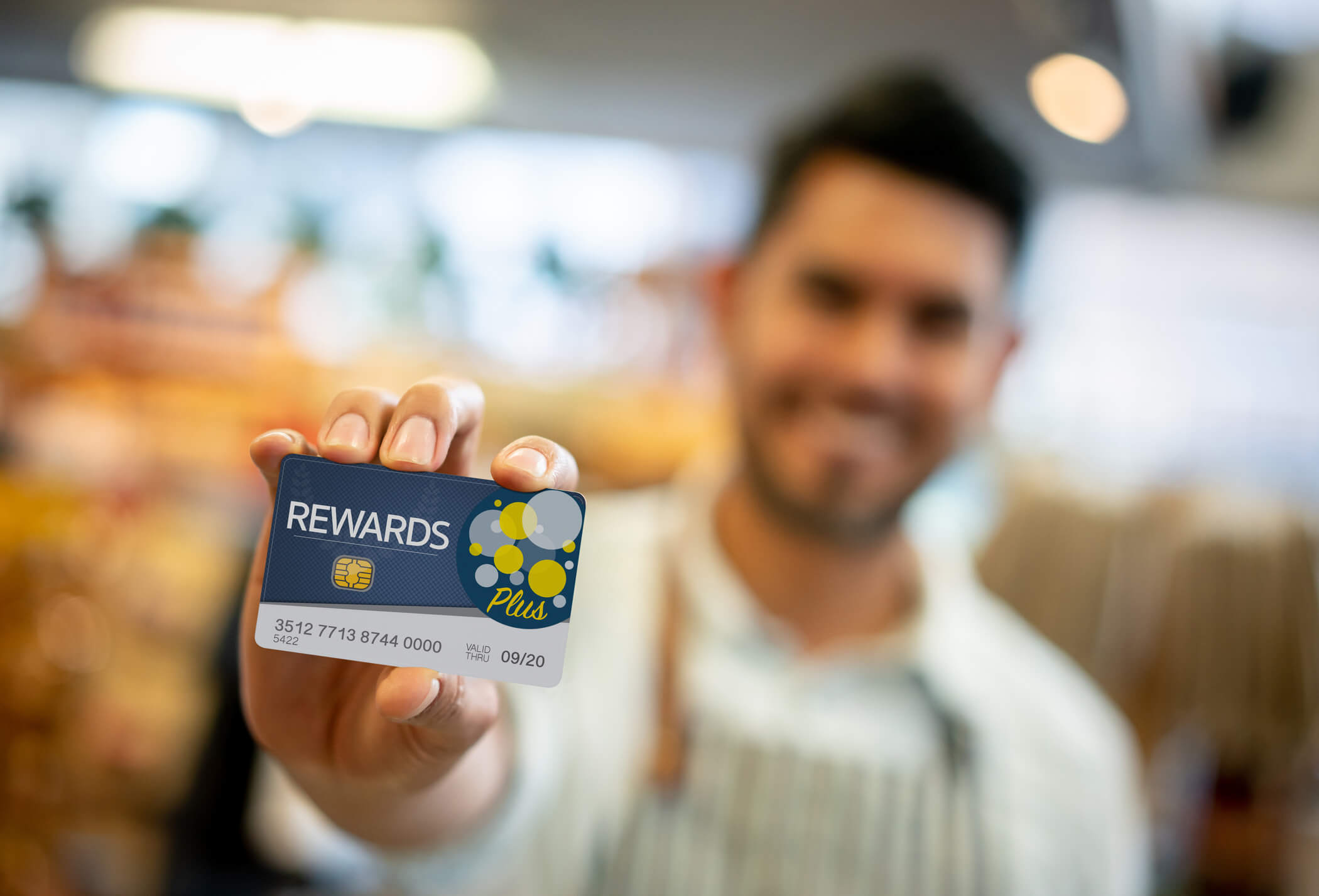
Attracting new customers takes time and constant effort. Retaining existing ones often brings more stability and long-term value to an online business. This is why loyalty programs have become an important part of e-commerce strategy, especially for WordPress-based online stores that aim to build lasting customer relationships.
A loyalty program does not have to be complex. Its real value comes from how naturally it fits into the overall customer experience.
Customers tend to return to brands that feel familiar and reliable. When shoppers know that their activity is recognized and rewarded, the connection with the store becomes stronger. Loyalty, in this context, goes beyond discounts and points—it reflects continuity and trust built over time.
Customer loyalty grows through consistent experience, not single promotions.
How loyalty programs influence customer behavior
A well-structured loyalty program encourages repeat purchases and supports long-term engagement. Customers are more likely to plan future purchases when they know that certain benefits await them, such as rewards, exclusive offers, or early access to products.
This approach helps:
-
increase repeat purchase frequency,
-
strengthen the relationship between brand and customer,
-
create a more predictable sales flow.
Clarity and simplicity play a major role here. Customers should immediately understand how the program works and what value it offers.
Customer retention plays an important role in overall sales performance, as repeat purchases contribute to long-term stability. We explore this connection in more detail in How to Increase Online Sales: Strategies for Your WordPress Shop.
Loyalty as part of the customer journey
Loyalty programs deliver the strongest results when they are integrated into the broader customer journey. They start with the first purchase and continue through ongoing communication, personalized offers, and consistent website experience.
On a WordPress e-commerce website, loyalty can be connected to existing processes such as customer records, order history, and segmented communication. When loyalty becomes part of the system rather than an isolated feature, it is easier to manage and maintain.
Customers who feel valued are more likely to stay connected to a brand.
Loyalty programs deliver stronger results when they are aligned with the overall website experience. A broader look at this topic is available in How to Optimize a WordPress E-Commerce Website for Conversions.
What makes a loyalty program effective
An effective loyalty program does not depend on technical complexity. What matters most is consistency and transparency. Customers should always know what benefits they receive, how they earn them, and how they can use them.
Clear rules and simple mechanics reduce confusion and build confidence. From a business perspective, this also makes the program easier to manage over time.
Consistent loyalty programs rely on clear processes and structured customer data. You can read more about this approach in How WooCommerce Helps Organize Online Sales.
The long-term value of customer retention
Customer retention supports more than repeat sales. It contributes to brand recognition, trust, and overall business stability. Loyal customers often become advocates, sharing positive experiences and strengthening the brand organically.
In this sense, a loyalty program becomes a tool for long-term relationship management rather than a short-term sales tactic.
Implementing a loyalty program helps online stores retain customers by offering consistent value and a structured experience. When loyalty is integrated into everyday processes on a WordPress e-commerce website, it supports sustainable growth and builds stronger customer relationships over time.